ISPs vs. The People: Why Millions of P2P Users Are Going Dark With VPNs
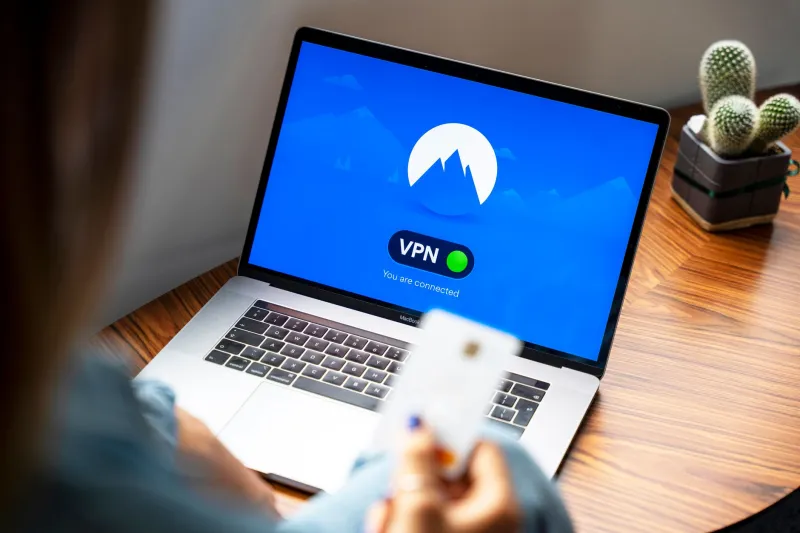
Let's be real for a second. You're paying $80, maybe $100 a month for internet service, and the moment you fire up a torrent client, your connection speed nosedives like it hit a brick wall. Sound familiar? You're not imagining it. Your ISP almost certainly knows exactly what you're doing — and they're deliberately pumping the brakes on it.
This is the reality for tens of millions of American peer-to-peer users, and it's pushing a massive cultural shift toward VPN adoption that the big telecom companies really don't want to talk about.
The Throttling Problem Is Very Real
Deep Packet Inspection, or DPI, is the technology that lets your internet service provider peek inside the data packets flowing through your connection. Think of it like the post office opening your mail, reading it, and then deciding how fast to deliver it based on what's inside. ISPs like Comcast, Verizon, and AT&T have been using DPI for years to identify BitTorrent traffic and systematically slow it down.
A 2022 study from Northeastern University and the University of Massachusetts Amherst found that major US carriers throttled video streaming services at rates that shocked even researchers. And that's just the stuff they were measuring openly. P2P traffic — which carries no corporate lobbying weight behind it — gets even less mercy.
For everyday users on ExtremeTorrents and platforms like it, the experience is frustrating and frankly insulting. You're not doing anything the internet wasn't literally designed to do. Peer-to-peer file sharing is baked into the architecture of how the web works. But try explaining that to your ISP's traffic management algorithm.
Enter the VPN: Not Just for Corporate Remote Workers Anymore
A Virtual Private Network encrypts your internet traffic and routes it through a server in another location, making it essentially unreadable to anyone monitoring your connection — including your ISP. What used to be a tool reserved for corporate IT departments and cybersecurity nerds has gone completely mainstream.
The global VPN market is projected to hit over $350 billion by 2032, and a significant chunk of that growth is being driven by regular American consumers who are sick of getting their bandwidth rationed. The question isn't really whether to use a VPN anymore — it's which one actually delivers.
Not All VPNs Are Built the Same
This is where things get genuinely complicated, and where a lot of people get burned by flashy marketing. Here's what actually matters when you're evaluating a VPN for P2P use:
Kill Switch Functionality — If your VPN connection drops for any reason, a kill switch immediately cuts your internet access rather than letting your real IP address leak out to the world. For torrent users, this is non-negotiable. Without it, a brief connection hiccup can expose your actual location to every peer in the swarm.
No-Log Policies (And Whether They've Been Audited) — Plenty of VPN providers claim they don't log user activity. Fewer of them have had that claim independently verified by third-party security auditors. Providers like Mullvad and ProtonVPN have gone through rigorous external audits. Others are just making promises they may or may not keep.
P2P-Optimized Servers — Some VPN services actively route torrent traffic through dedicated servers engineered specifically for high-throughput P2P use. This makes a tangible difference in real-world speeds. ExpressVPN, NordVPN, and Private Internet Access all offer this, though performance varies depending on your physical location and the server load at any given time.
Protocol Options — WireGuard has largely replaced OpenVPN as the gold standard for speed without sacrificing security. If your VPN still defaults to PPTP or L2TP, run. Those protocols are outdated and offer weak protection against modern DPI systems.
Real Users, Real Results
Talk to anyone who's made the switch and the story is almost always the same. Marcus, a 34-year-old IT contractor in Phoenix, described his experience bluntly: "I was getting maybe 2 megabytes per second on torrents through Cox. I set up Mullvad with WireGuard and I'm pulling 25 to 30 now. Same connection. Same plan. The throttling just... disappeared."
That experience is being replicated across the country. In online communities dedicated to file sharing, threads about VPN performance are among the most active and most detailed. People are comparing providers, sharing speed test screenshots, and building out genuinely sophisticated home networking setups — all in the pursuit of getting the internet speeds they're already paying for.
The Cat-and-Mouse Game Keeps Evolving
ISPs aren't sitting still. Some have begun experimenting with VPN traffic detection, trying to identify and throttle encrypted tunnels the same way they throttle raw BitTorrent traffic. It's a harder problem to solve since encrypted traffic all looks more or less the same, but obfuscation techniques — where VPN traffic is disguised to look like ordinary HTTPS browsing — are becoming a standard feature in premium VPN offerings.
The regulatory landscape matters here too. Without meaningful net neutrality protections at the federal level (the FCC has gone back and forth on this more times than most people can track), ISPs operate in a relatively permissive environment when it comes to traffic management. Privacy advocates and digital rights organizations like the Electronic Frontier Foundation continue pushing back, but legislative progress has been slow.
What This Means for the P2P Community
The broader takeaway isn't just technical — it's cultural. American internet users are increasingly treating online privacy as a baseline expectation rather than a luxury. The surge in VPN adoption among the P2P community is part of a much larger reckoning with how much visibility we're comfortable giving corporations over our digital lives.
At ExtremeTorrents, we've always believed that sharing files freely and efficiently is a fundamental part of how the internet is supposed to work. The tools are out there. The knowledge is spreading. And every time an ISP tries to throttle its way to control, the community finds another way around it.
That's just how peer-to-peer works. The network routes around obstacles. Always has. Always will.